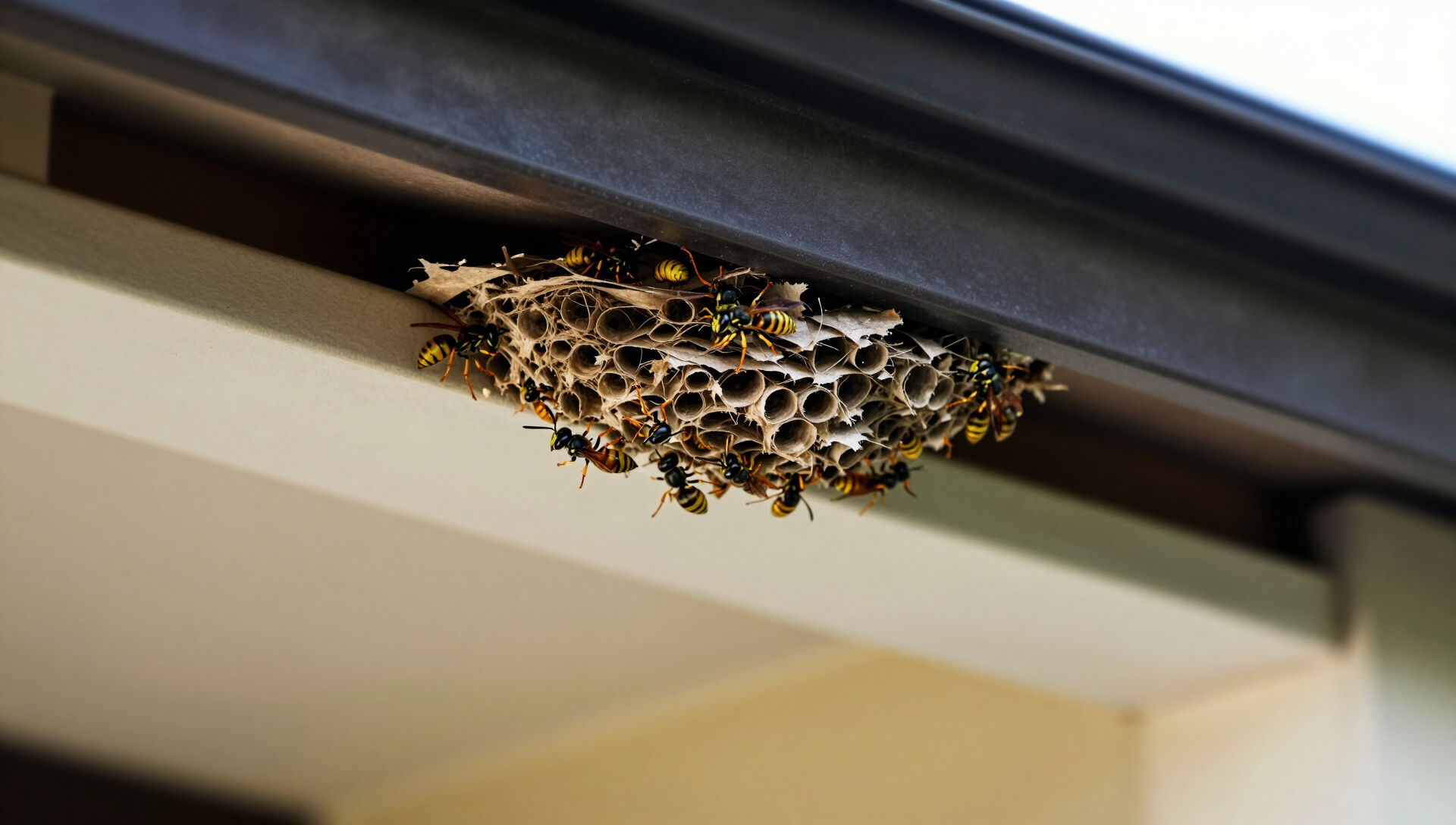
Hinchinbrook’s residential properties, with their mix of older homes, garages, and lush backyards, are prime targets for bees and wasps. These pests often build nests in hidden or hard-to-reach areas, such as roof voids, wall cavities, or under decks. A single wasp nest can grow rapidly, housing thousands of insects that become increasingly aggressive as the colony expands. Bees, while less aggressive, can still pose risks if their hives are disturbed, especially in high-traffic areas like gardens or near entryways.
In Hinchinbrook, seasonal changes can trigger increased pest activity. Wasps are particularly active in late summer and early autumn, while bees may swarm in spring as they search for new nesting sites. Older properties with gaps in cladding, vents, or roofing are especially vulnerable. Even small entry points can allow pests to establish nests, which can go unnoticed until they become a serious problem. Regular inspections, especially in these areas, can help catch infestations early.
If you’ve noticed bees or wasps around your property, don’t wait for the problem to worsen. Early intervention is key to preventing nests from growing and reducing the risk of stings. In Hinchinbrook, common signs include increased insect activity near roofs, walls, or outdoor structures, as well as visible nests in trees or sheds. For commercial properties, such as restaurants or storage facilities, the presence of wasps can pose hygiene and safety risks. Our emergency service is designed to address these issues quickly and effectively, so you can focus on what matters most.